How to Launch a SaaS Podcast That Even Your Mom Won't Subscribe To
Somewhere, right now, a SaaS marketing team is launching a podcast. It will have 47 episodes. It will have 12 listeners. Seven of them work at the company.
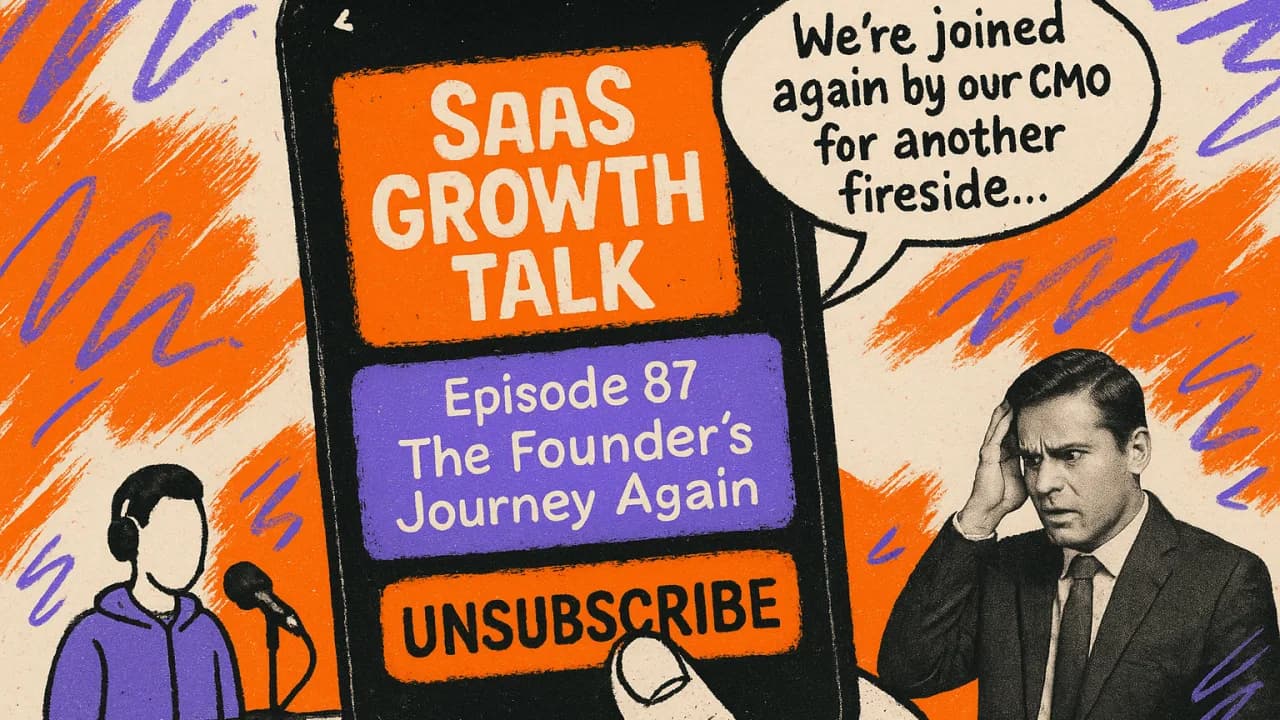
Table of Contents
Decide You Need a Podcast
This decision is usually made in a marketing offsite. Someone will say "we should do a podcast" with the same casual confidence as suggesting lunch. Everyone will agree. Nobody will ask why.
The "why" is important, but we'll skip it. Just like you will.
Welcome to the SaaS Podcast Nobody Asked For
Fitting in is easy. In SaaS, blending into irrelevance is almost a rite of passage - like getting your first “great insights” comment on LinkedIn. If you’re ready to join the ranks of the forgettable, you’re in good company.
So, here’s your roadmap for launching a podcast so unremarkable that even your most supportive LinkedIn connections will quietly hit “Mark as Read.” First up: selecting topics so generic your listeners will wonder if they’ve accidentally hit repeat. Ready? Or second-guessing your life choices already? Either way, let’s dive in.
The Art of Mind-Numbingly Generic Topics
So you want a SaaS podcast that’s safe and predictable. Why risk originality when you can recycle the old standards: “scaling ARR,” “navigating remote work challenges,” or - because we clearly haven’t heard enough about it - “the rise of AI in sales.” Feeling uninspired? No problem. Just scan the latest conference agenda, close your eyes, and pick a panel title that doesn’t immediately put you to sleep. Sprinkle in promises of a “deep dive,” host another “fireside chat,” or mention the mysterious art of “growth hacking.”
And don’t forget: keep your questions as familiar as an old hoodie. Ask about their “North Star metric.” Probe how they “foster alignment across teams.” Or, if you’re feeling adventurous, try: “What keeps you up at night?” (It’s still churn. It’s always churn.)
Building Your Guest List: The Office Echo Chamber
Next, let’s talk about your guest strategy: the fine art of sticking well within your comfort zone. Why track down that elusive sales ops genius from another company when you can just pull your desk buddy into another Zoom call? Who wants to risk shaking up the status quo with an outside perspective when you could feature the same three people who dominate every all-hands?
By episode seven, your CMO is back for a third encore, ready to dissect Q1 pipeline drama and reignite that endless debate about whether demand gen is just “branding with a KPI complex.” Toss out your standby: “So, what’s your secret to cross-functional alignment?” You already know what’s coming. Efficient? Maybe. Memorable? Not so much. Either way, listeners can settle into familiar stories and recycled insights.
Could you branch out? Sure. Maybe invite a customer who isn’t afraid to spill the tea, a skeptical analyst who asks tough questions, or even a competitor with a different viewpoint. But that sounds like effort. It’s much easier to keep things cozy inside your trusted echo chamber, where every episode is just another retelling of your origin story.
Elevating Thought Leadership with Ambient Chaos
Recording your SaaS podcast at the kitchen table during lunch rush takes a special kind of confidence. Why bother with a studio when listeners can enjoy the gentle hum of the fridge, burrito dings, and cutlery clatter? If blending industry wisdom with cafeteria ambiance is your aim, you’re well on your way to becoming a cult favorite among those who only meant to skim your show notes.
Ready for peak “acoustic authenticity”?
- Choose the echoiest room available. Acoustic panels are for people who fear excitement.
- Skip the fancy mic. The laptop mic you use for awkward family Zoom calls will do.
- Always record during lunch. Nothing says authentic leadership like sandwich debates in the background.
Preparation Is Overrated
Who actually wants to spend Sunday night writing a script for an episode? Forget outlines, agendas, or even that napkin with bullet points you can barely read. No prep means you’ll never accidentally create something memorable - and you can always call it “agile.” Your audience craves that edge-of-their-seat feeling. Hit record, toss out a casual “Sooo… where do we begin?” and hope for magic.
Nothing says “thought leadership” quite like 53 minutes of wandering stories, and your CMO channeling their inner TED speaker explaining (for the third time) why sales “just doesn’t get it.” When a guest spends ten minutes raving about their favorite Chrome extension before veering into pipeline therapy, there’s comfort in knowing structure isn’t coming to save anyone.
Editing? Why bother. There’s charm in hearing someone cough or in that 30-second pause when both hosts lose their train of thought. Life is messy; why should your podcast sound any different? Besides, there’s something reassuring about listening to other SaaS folks experience existential dread.
Maybe you’re ready to lean into this approach. Who needs planning or editing when you can wing it and create podcasting’s answer to performance art? If you aspire to be background noise while people clear their inboxes, mission accomplished.
Be Consistently Lazy
When it comes time to promote this unscripted masterpiece, why not recycle last week’s LinkedIn post. Who has the energy to draft dazzling new promo copy every week? Sometimes Tuesday rolls around and that trusty “Excited to drop a new episode!” intro seems perfectly serviceable. No one will notice if you reuse it - typos included. (And if you forget to swap out the guest's name or episode number, call it an Easter egg for attentive fans.)
Here’s the formula: And if obscurity is part of your SaaS marketing plan, you could just skip promotion altogether. Why risk actual listeners finding it? There’s peace in letting episodes drift into the wild, undisturbed by comments or feedback.
When someone does comment (“Great ep! So many takeaways!”), celebrate with a classic thumbs-up emoji. Community engagement: handled.
In the end, as you watch your episodes disappear quietly into podcast limbo alongside thousands of others, take comfort: you’ve truly nailed the art of blending in.